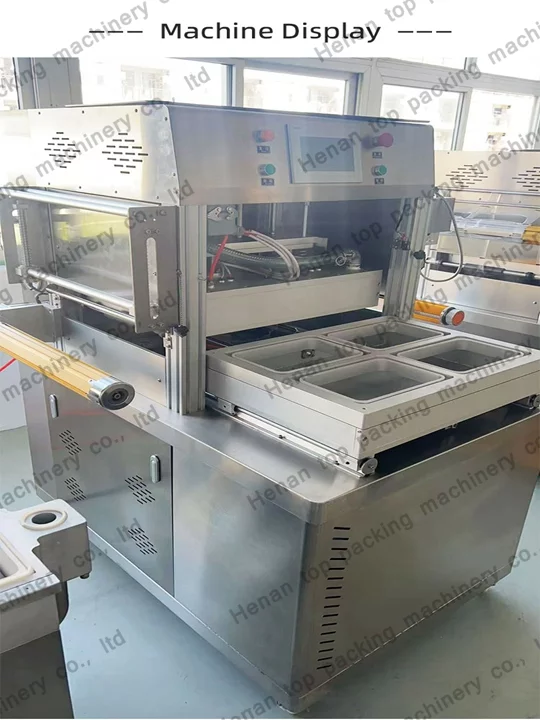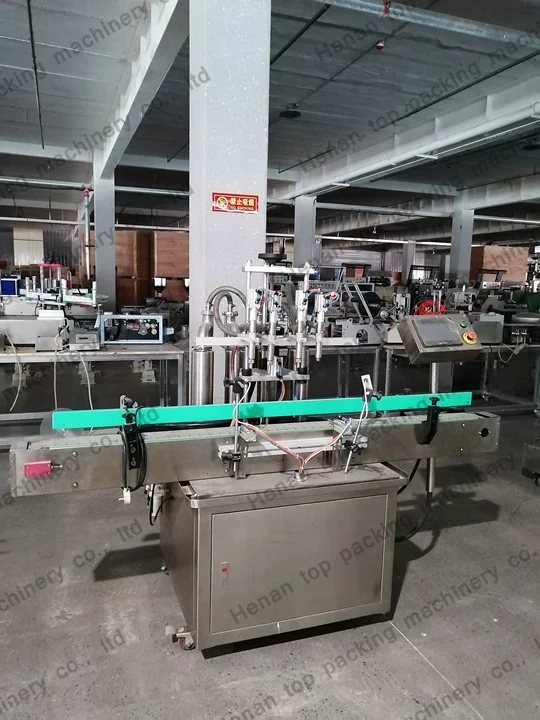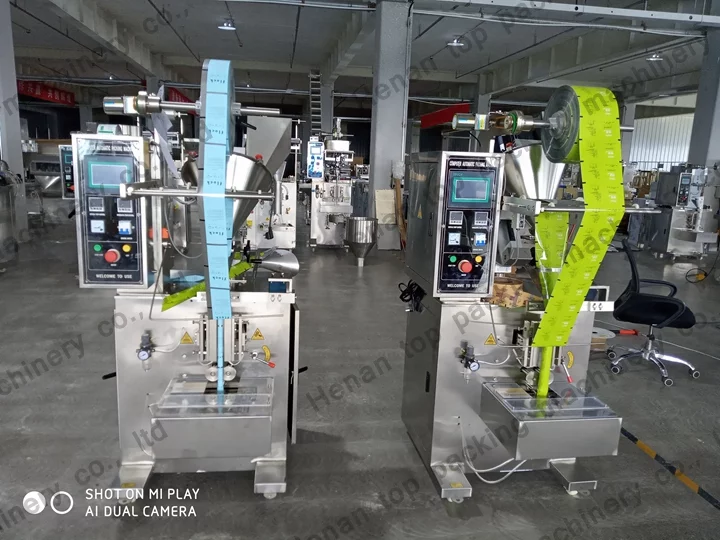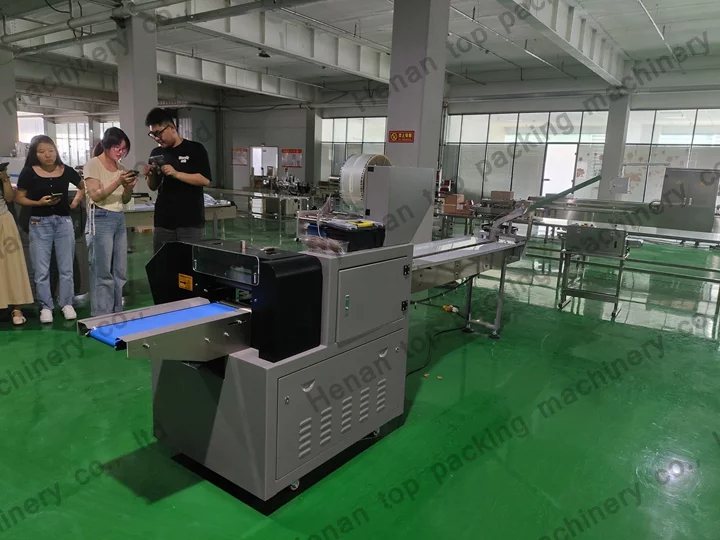
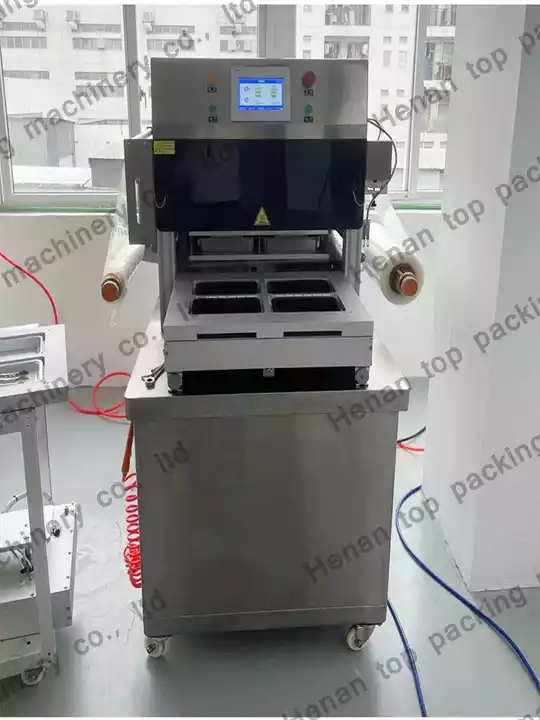
Food processors, central kitchens, fresh produce suppliers and ready meal manufacturers depend on reliable food packaging machines to protect product quality, extend shelf life and meet food safety rules. Many buyers only compare prices and overlook core specifications, which leads to frequent breakdowns, unqualified packaging and high product waste.
Before you invest in a food packaging machine, it is necessary to evaluate multiple practical factors based on your actual production situation. This guide covers the critical points you should verify when selecting food packaging equipment, including modified atmosphere packaging (MAP) tray sealers and other food packing systems.
Contents
Match Production Capacity With Your Actual Output Demand
Production capacity is the first filter for your food packaging machine. Different machine types and structures have big differences in hourly output, which depends on working cycle time and packaging station layout.
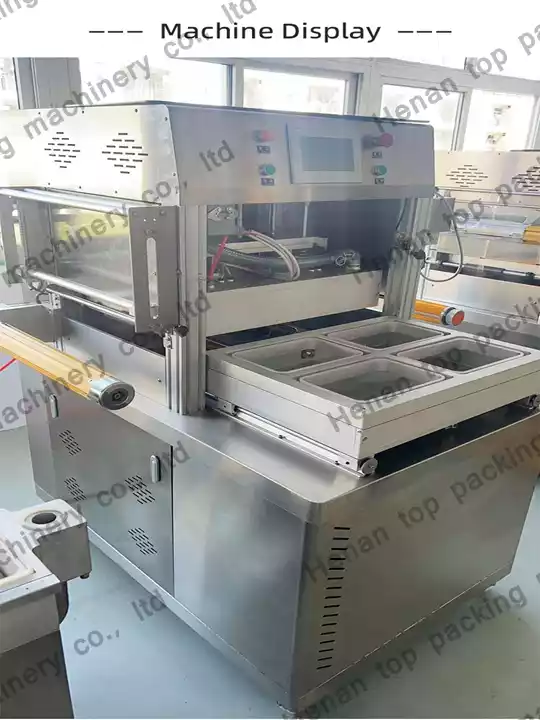
Small workshops and central kitchens usually choose low-to-medium-speed models suitable for 300–500 packs per hour. Large food factories with mature production lines need high-efficiency units that can reach 700–800 packs per hour. The working cycle normally falls between 8 and 15 seconds, affected by vacuuming, gas flushing and sealing procedures.
Avoid two common mistakes: buying an over-sized machine that wastes capital, or selecting a low-speed model that becomes a bottleneck for your whole production. Work out your target daily packaging quantity first, then ask us to recommend matched models according to your product range.
Check Core Function Performance for Your Food Type
Different food products require different packaging functions, and this directly decides whether your packaging machine works well.
For fresh meat, seafood, cut vegetables and ready meals, modified atmosphere packing function is highly valuable. A qualified MAP system needs stable gas mixing accuracy and high gas replacement rate, to slow oxidation and microbial growth. The gas mixing error should be controlled within ±2%, and the gas replacement rate is better to reach above 99%.
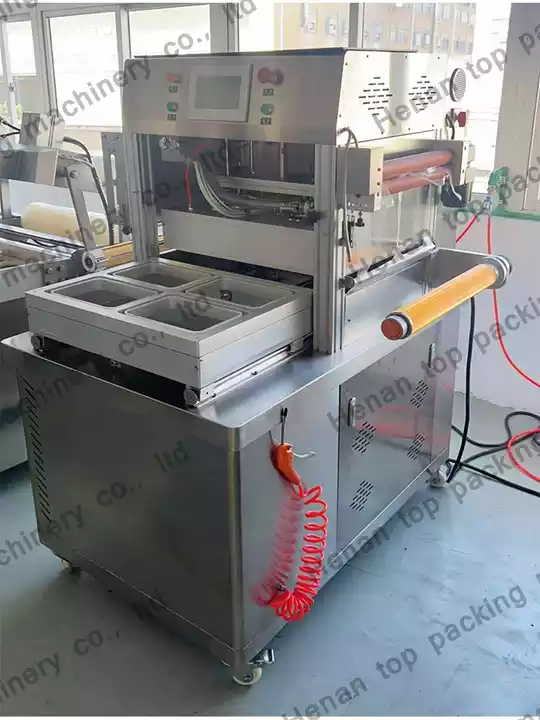
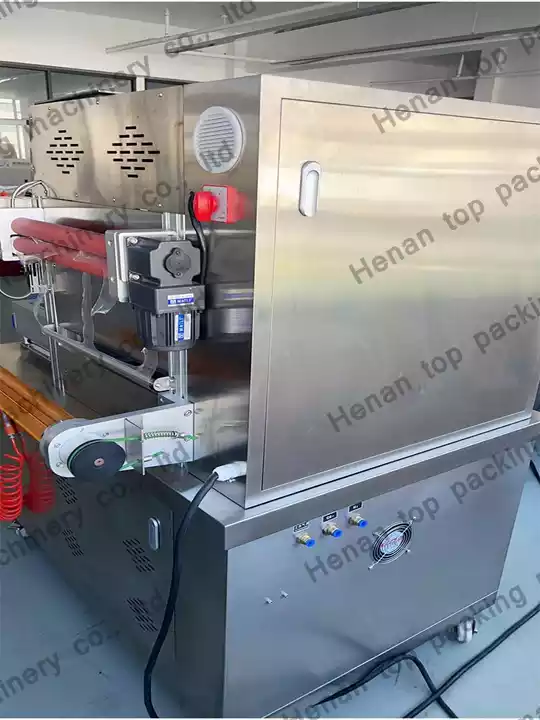
For dry food, grains, snacks and baked goods, tight sealing and dust-proof performance are more important. You also need to confirm whether the machine can control sealing temperature and pressure steadily to prevent leakage.
Some models support saving multiple parameter presets. If you often switch between different food products, this function will save much adjustment time and keep consistent packaging quality.
Confirm Food-Grade Material and Hygiene Standards
Food packaging machines work in humid, high-sanitation workshops, so construction material is closely related to food safety and service life.
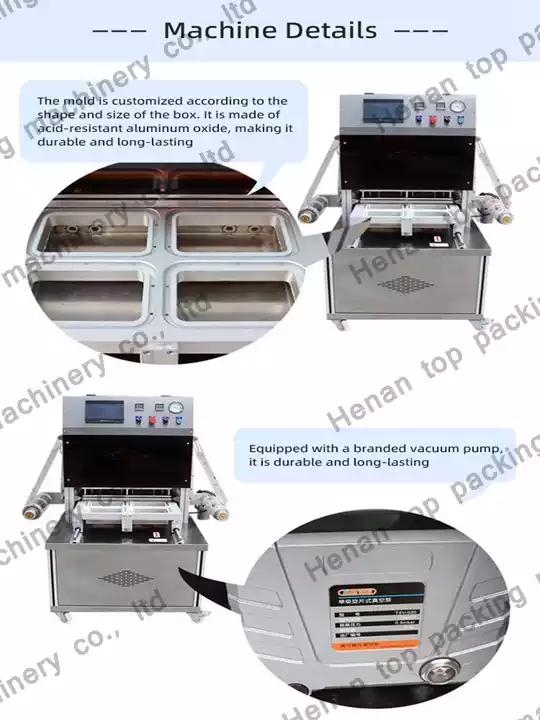
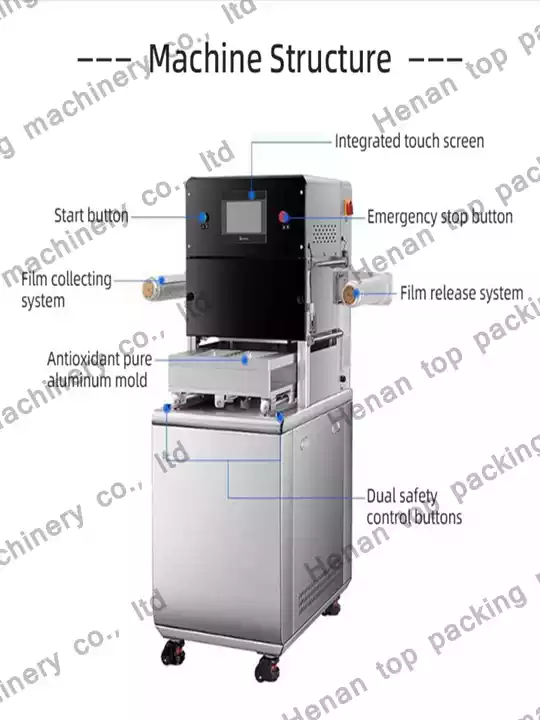
Prioritize machines with a main frame made of 304 stainless steel. It resists corrosion from water, food juice and regular washing. The sealing mold should adopt food-grade aluminum alloy with good heat conduction, to ensure uniform sealing without contamination.
Pay attention to safety and sanitary details: waterproof control panel, easy-to-clean surface, safety protection buttons and tidy cable layout. These small features reduce cleaning difficulty and lower operational risks for your workers.
Verify Tray, Film and Packaging Format Compatibility
Your existing packaging consumables determine whether the food packaging machine can run smoothly.
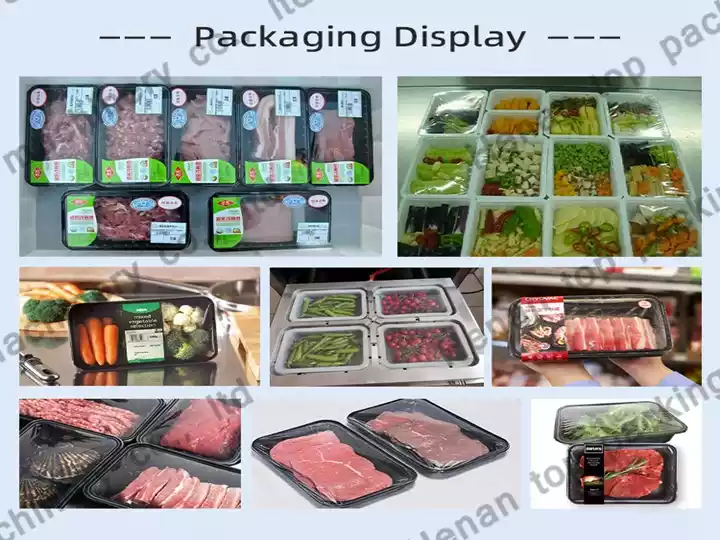
First confirm the supported film width and tray size range. Common specifications cover 330 mm, 380 mm, 410 mm and 450 mm. Good machines support flat, concave, convex and divided trays for diversified products, from fresh fruit boxes to multi-grid ready meal containers.
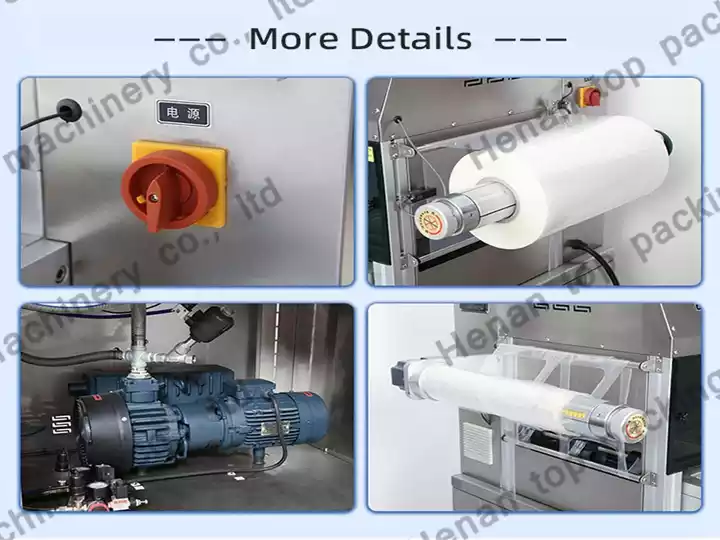
If you frequently change packaging sizes, choose equipment with quick-change molds. Removable molds help you switch formats without complicated reconstruction. Meanwhile, check the film feeding system: stable tension control avoids film wrinkling, deviation and jamming during continuous running.
Assess Operation, Cleaning and Daily Maintenance
Many food plants underestimate maintenance workload and end up with low machine uptime.
User-friendly touch screen control is recommended. Operators can set sealing time, vacuum parameters, gas proportion and alarm thresholds clearly. Practical functions such as one-click reset and fault prompts help reduce operation errors.
For food sanitation compliance, a detachable structure is essential. Removable molds and side panels make residue cleanup and regular washing fast. Stay away from overly complicated structures that require professional technicians for simple disassembly and cleaning.
Prepare Supporting Utilities and Workshop Space
A food packaging machine cannot work independently. You need to prepare matching auxiliary conditions before delivery.
Check power requirements: most models support 220V or 380V, with total power around 2–5 kW. Many packaging machines, especially MAP tray sealers, need an air compressor. The suitable air pressure keeps at 0.6–0.8 Mpa, and the compressor capacity is selected according to machine size.
Measure your workshop area and reserve extra space for film roll replacement, mold changing and routine inspection. If you plan to connect the packaging machine with upstream processing equipment or downstream conveyors and labeling machines, inform us in advance for line layout suggestions.
Conclusion
Buying a food packaging machine is far more than comparing the upfront price. You need to balance production capacity, functional performance, food-grade material, consumable compatibility, maintenance cost and after-sales support together.
Sort out your packaged food types, hourly output target, tray sizes and workshop utility conditions first. Communicate these requirements clearly with us to get a suitable quotation and technical solution. A properly matched food packaging machine helps you extend shelf life, cut product waste and improve the market competitiveness of your food products.